
At a glance
-
Light
Bright, indirect light; avoid direct sun.
-
Water
Keep soil evenly moist, never dry out completely.
-
Temperature
18–26 °C; dislikes drafts and cold.
-
Humidity
High (≥ 60%); essential for healthy leaves.
Care difficulty
Moderate to difficult
Calatheas reward consistent care with spectacular foliage, but they are quick to show stress if humidity drops, water quality is poor, or light is too harsh. They’re best for plant parents willing to maintain a outine and create a stable environment.
Detailed care instructions
-
Light
Calatheas prefer bright, indirect light. Too little light dulls leaf colors, too much direct sunlight scorches leaves. Place near an east or north window, or several feet back from a bright south window with sheer curtains.
-
Water
Calatheas need consistent moisture but are sensitive to water quality.
- Use rainwater, filtered, or distilled water whenever possible; tap water with high minerals or chlorine can cause brown leaf edges.
- Keep soil evenly moist; never let it fully dry out.
- Reduce watering slightly in winter when growth slows.
- Ensure the pot has drainage holes; avoid soggy soil.
-
Humidity
High humidity is essential. Without it, leaves develop brown tips and edges.
- Aim for ≥ 60% humidity at all times.
- Best solutions: humidifier or grouping with other plants.
- Pebble trays help locally but are less effective alone.
- Light misting with distilled water can help, but is only temporary.
-
Temperature
Ideal range: 18–26 °C. Avoid temperatures below 15 °C and protect from drafts. Calatheas dislike sudden fluctuations.
-
Fertilizer
Feed every 4 weeks in spring and summer with a diluted, balanced liquid fertilizer. Pause in autumn and winter. Overfertilization can damage roots and leaf edges.
-
Soil & Repotting
Use a light, airy, peat-free potting mix with good drainage, enriched with compost or coco coir.
- Repot every 2 years or when roots fill the pot.
- Always use pots with drainage holes.
Common problems & solutions
What you see: crispy, brown edges.
Cause: low humidity, or minerals in tap water.
Solution: switch to rain/filtered/distilled water; raise humidity.
Prevention: maintain humidity ≥ 60%; avoid hard tap water.
What you see: lower leaves yellow, then die.
Cause: overwatering or poor drainage.
Solution: check drainage; allow topsoil to dry slightly before watering again.
Prevention: light, airy soil; consistent routine.
What you see: leaves roll or curl inward.
Cause: underwatering, low humidity, or too much direct light.
Solution: water thoroughly; move to lower light; raise humidity.
Prevention: steady watering schedule; keep out of direct sun.
What you see: leaf markings lose vibrancy.
Cause: insufficient light.
Solution: move closer to bright, indirect light.
Prevention: keep in filtered but strong light.
What you see: sticky residue, webbing, or cottony patches.
Solution (pet-safe): wipe leaves with damp cloth, rinse plant, or use mild soap solution; isolate plant.
Prevention: maintain humidity; check undersides weekly.
Pet safety: avoid chemical sprays; let leaves dry before pets return.
Calathea
-
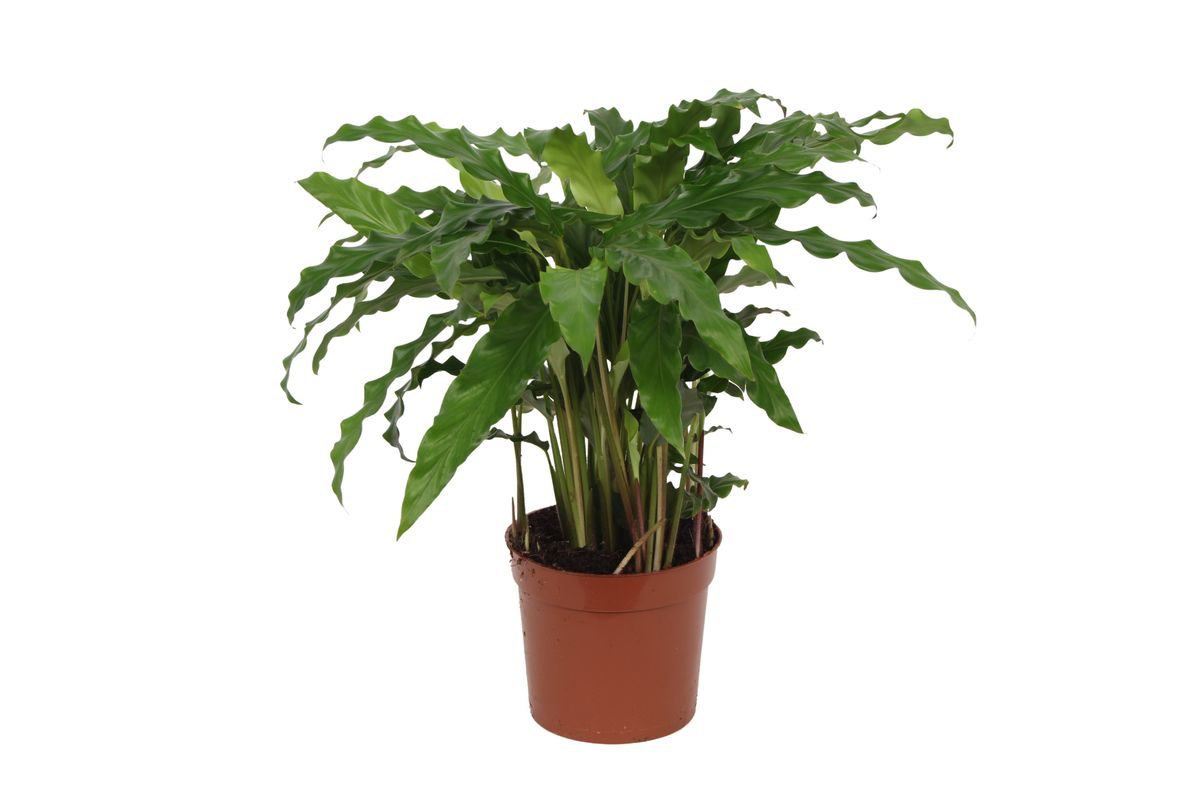
Calathea 'Bluegrass'
Calathea ‘Bluegrass’- Regular price
- €15,95
- Unit price
- per
- 35 centimeters
- 12 centimeters pot diameter
- Cat-safe
- Dog-safe
-
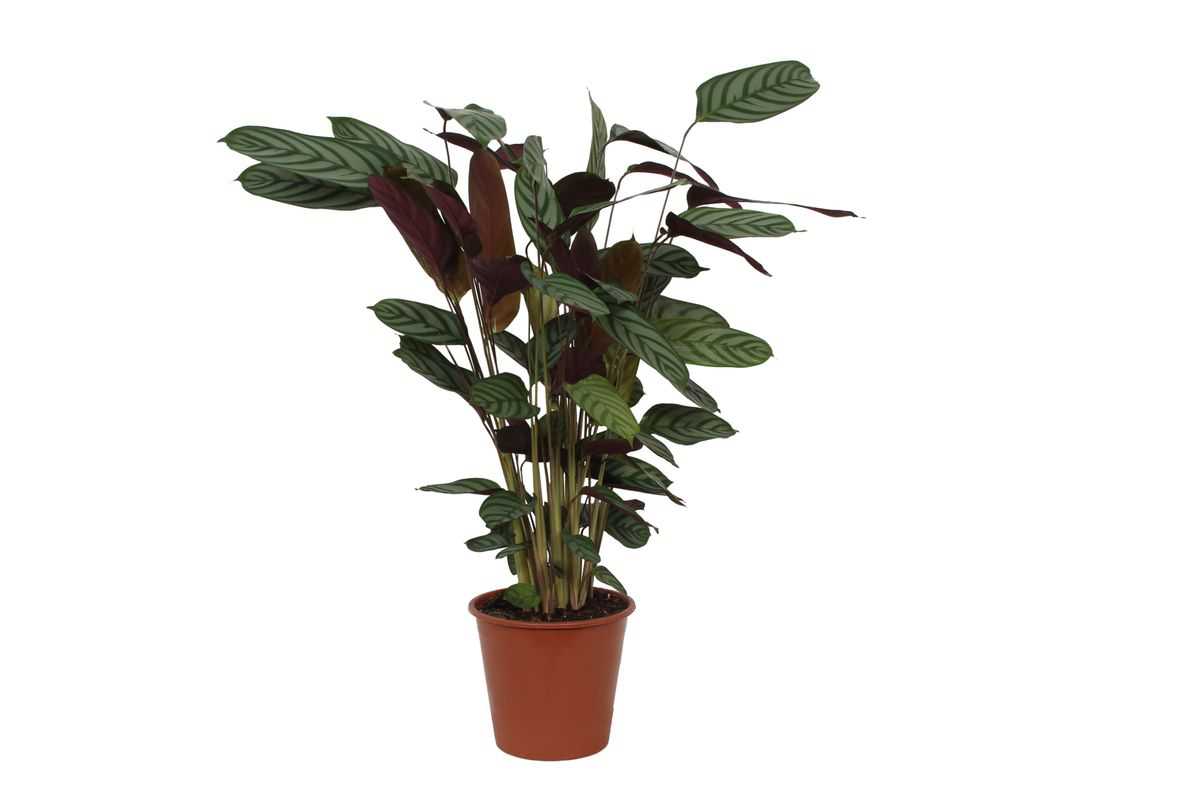
Calathea 'Compactstar'
Calathea ‘Compactstar’- Regular price
- €49,95
- Unit price
- per
- 90 centimeters
- 21 centimeters pot diameter
- Cat-safe
- Dog-safe
-
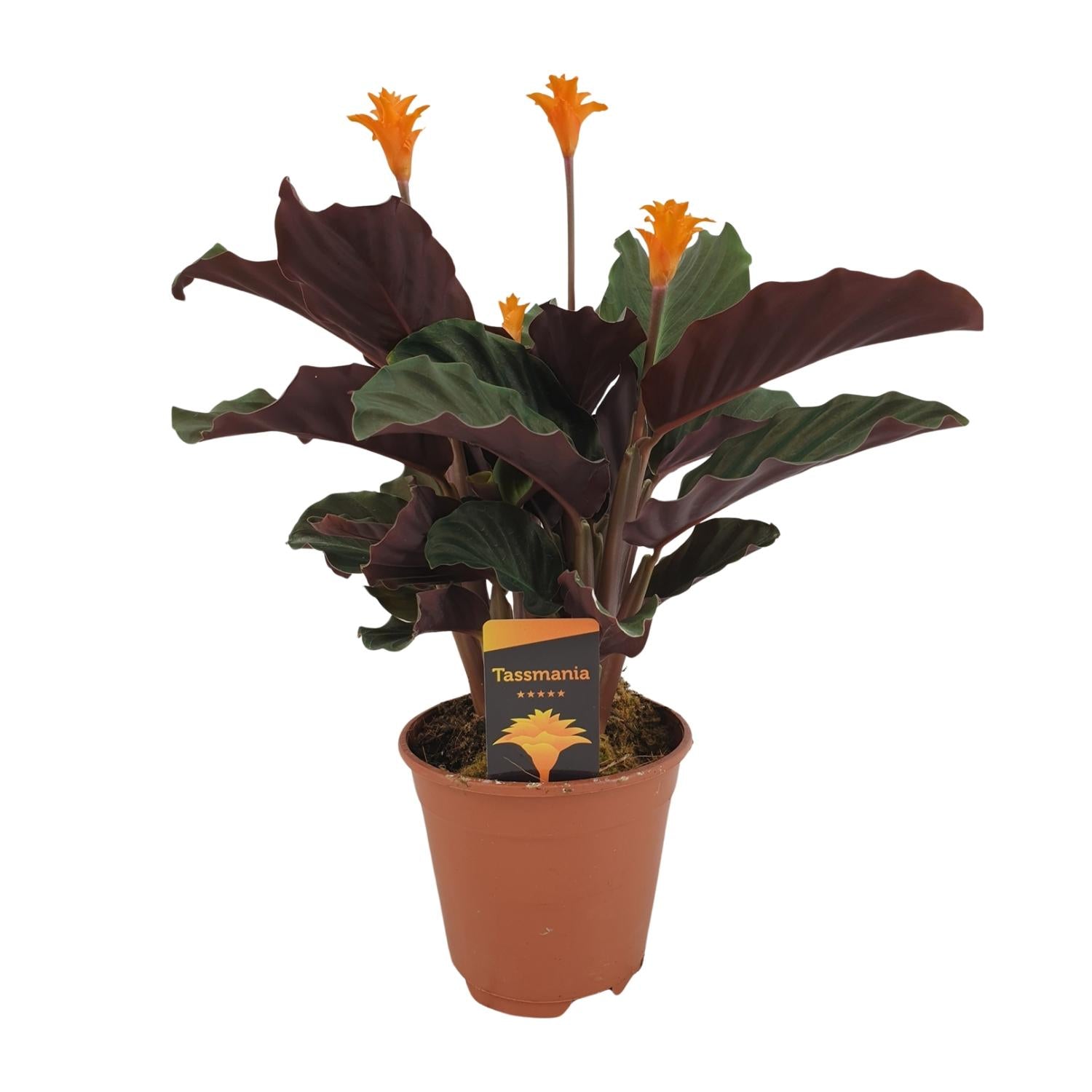
Calathea 'Crocata'
Eternal flame- Regular price
- €25,95
- Unit price
- per
- 40 centimeters
- 14 centimeters pot diameter
- Cat-safe
- Dog-safe
-
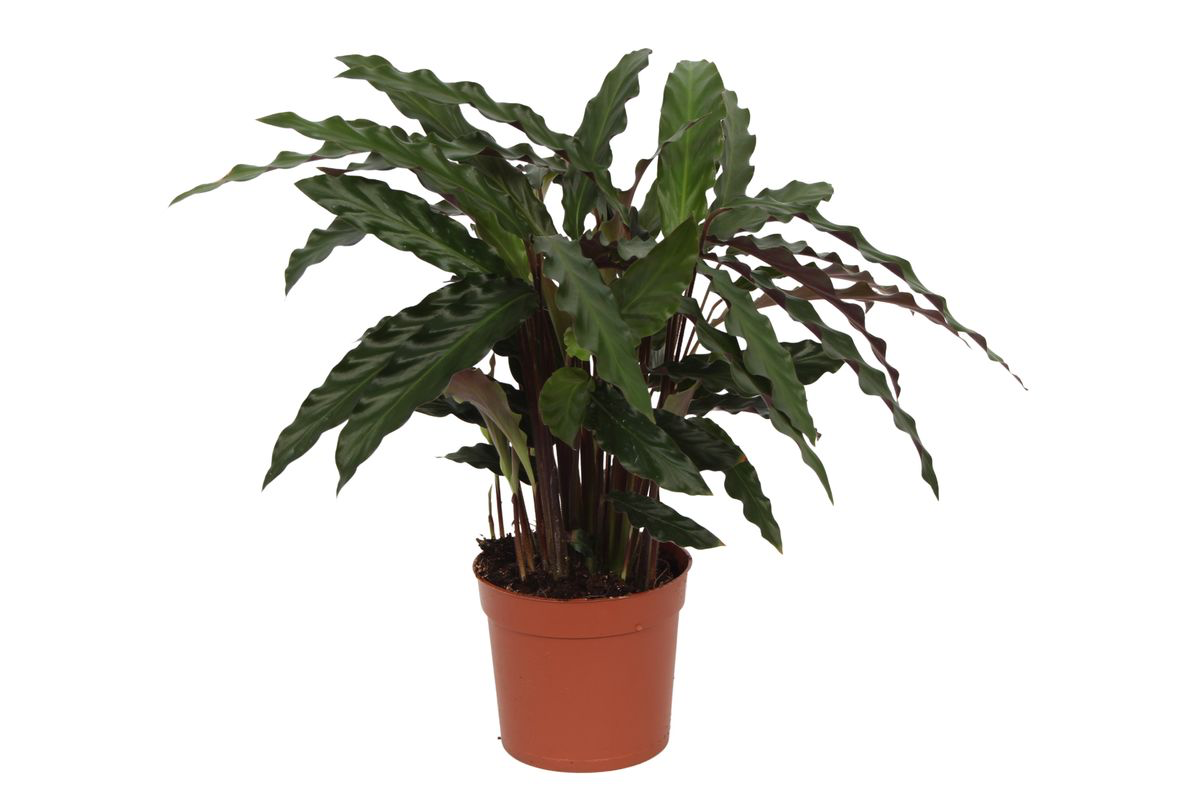
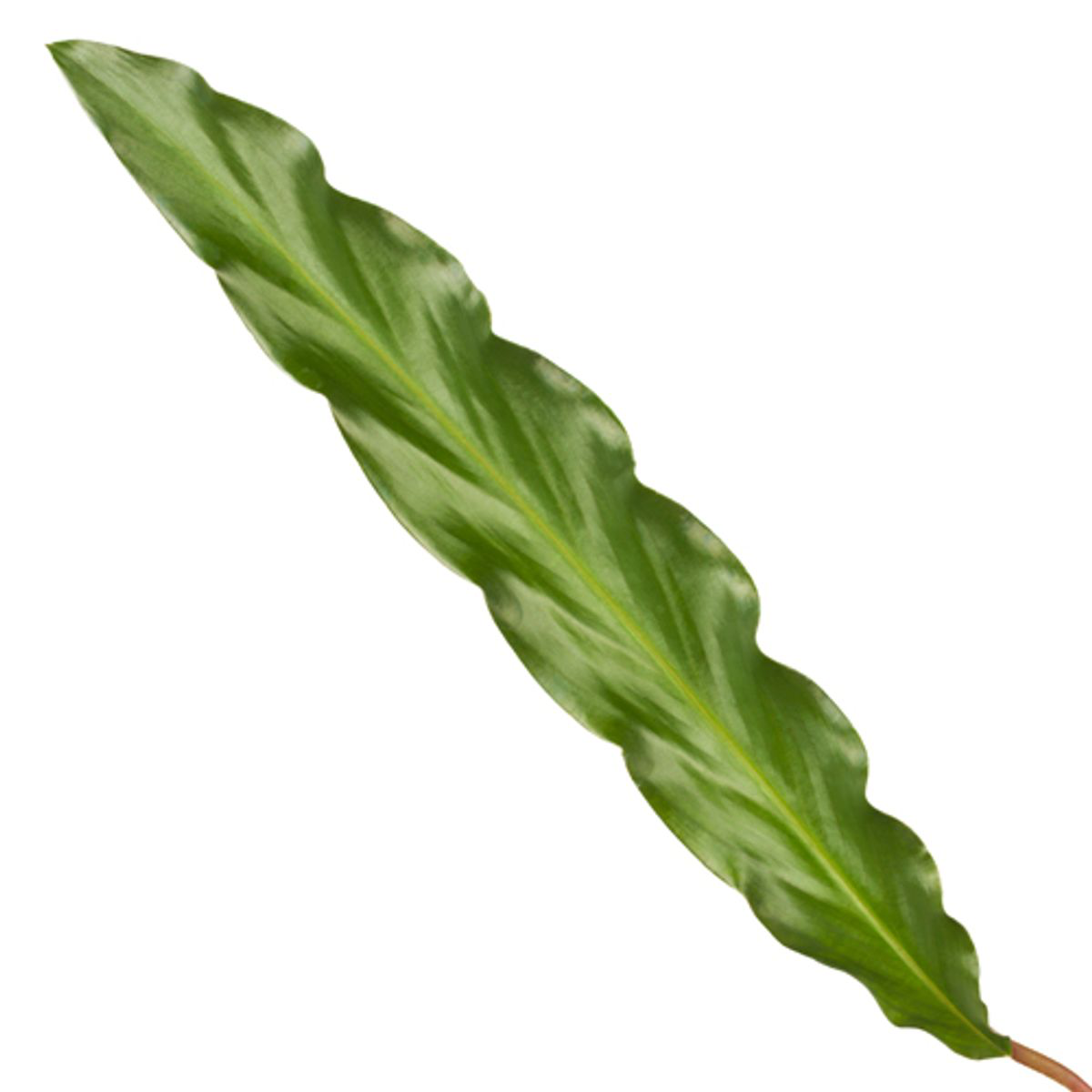
Calathea 'Elgergrass'
Calathea ‘Elgergrass’- Regular price
- €15,95
- Unit price
- per
- 35 centimeters
- 12 centimeters pot diameter
- Cat-safe
- Dog-safe
-
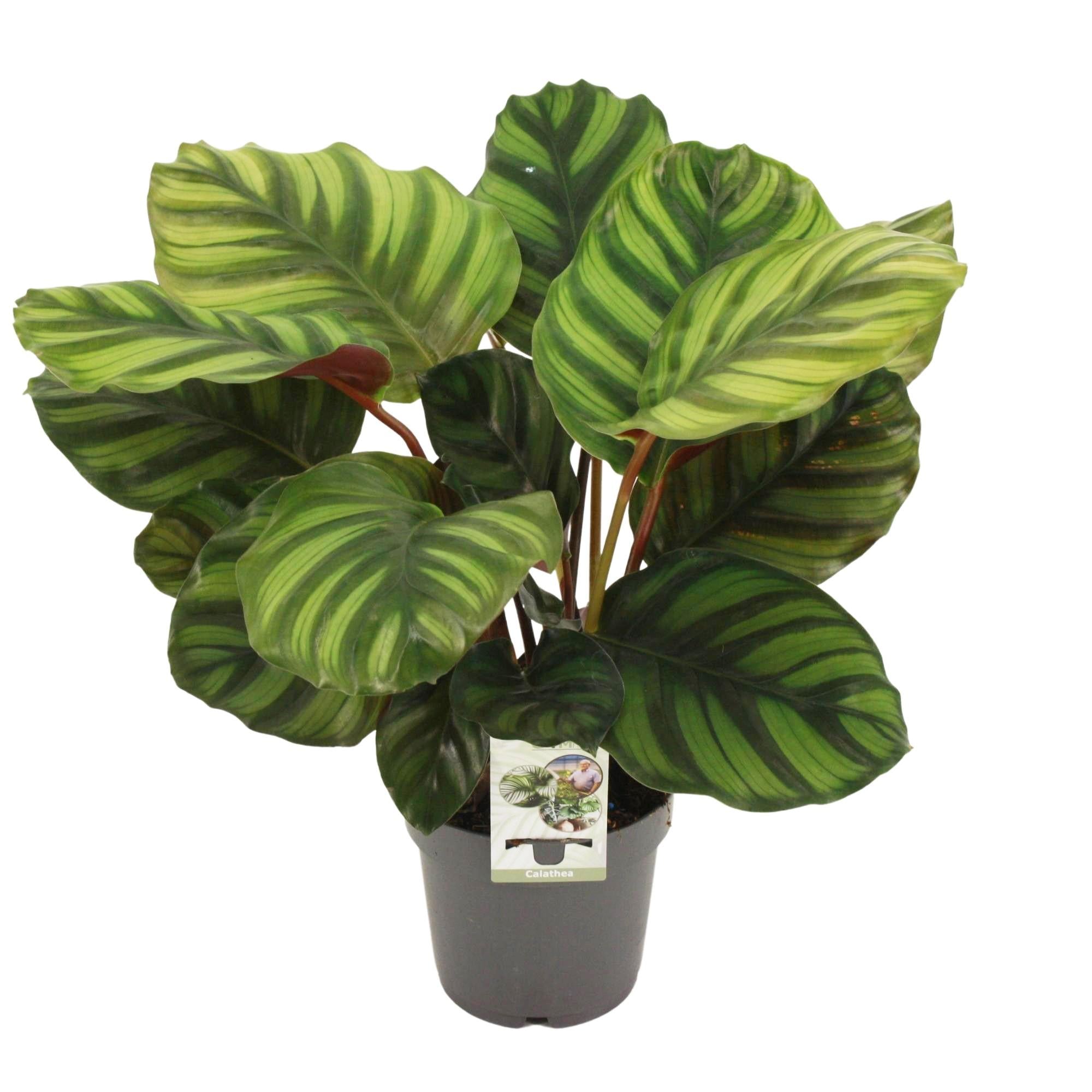
Calathea 'Fasciata'
Calathea 'Fasciata'- Regular price
- €19,95
- Unit price
- per
- 50 centimeters
- 14 centimeters pot diameter
- Cat-safe
- Dog-safe
-
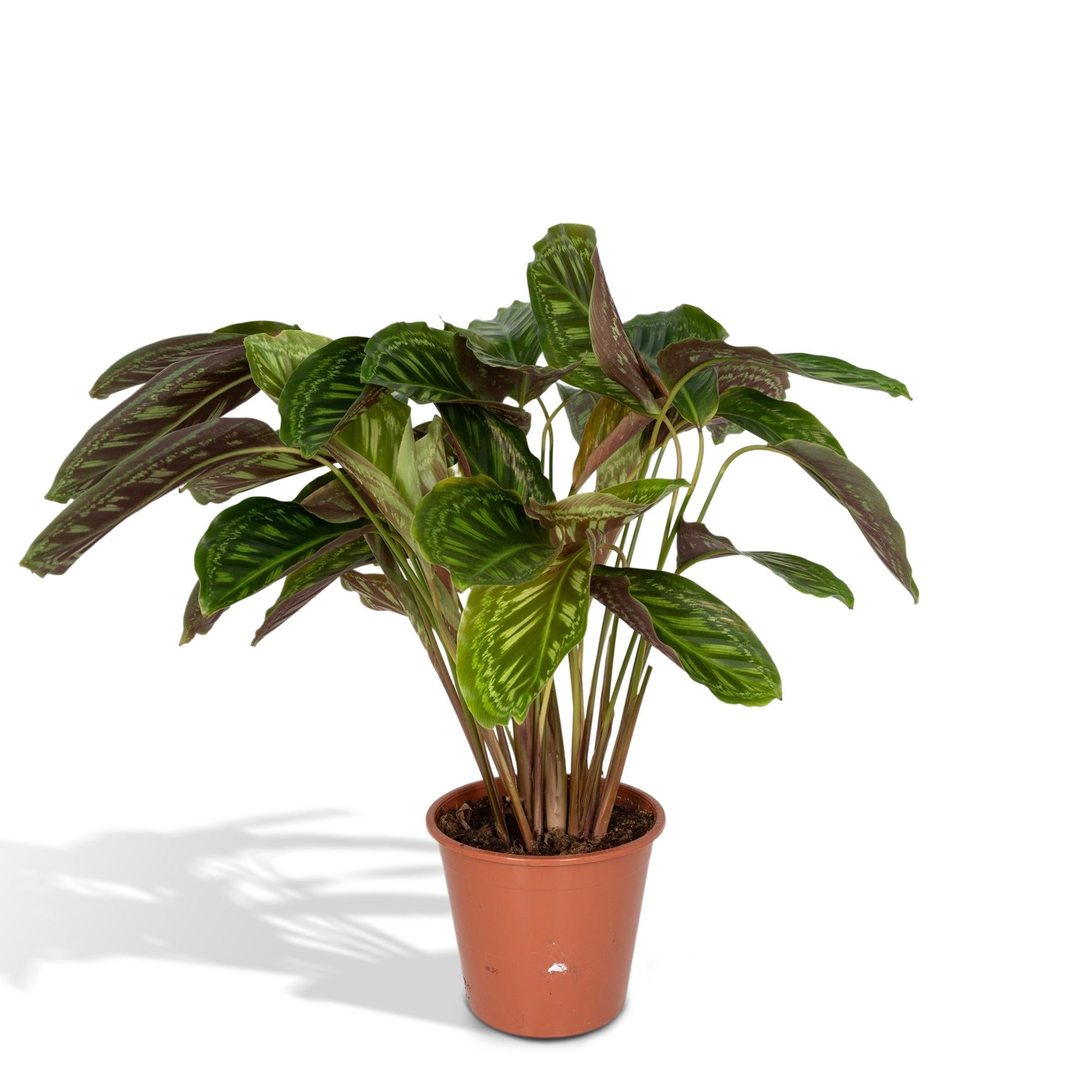
Calathea 'Flamestar'
Calathea 'Flamestar'- Regular price
- €35,95
- Unit price
- per
- 75 centimeters
- 19 centimeters pot diameter
- Cat-safe
- Dog-safe
-
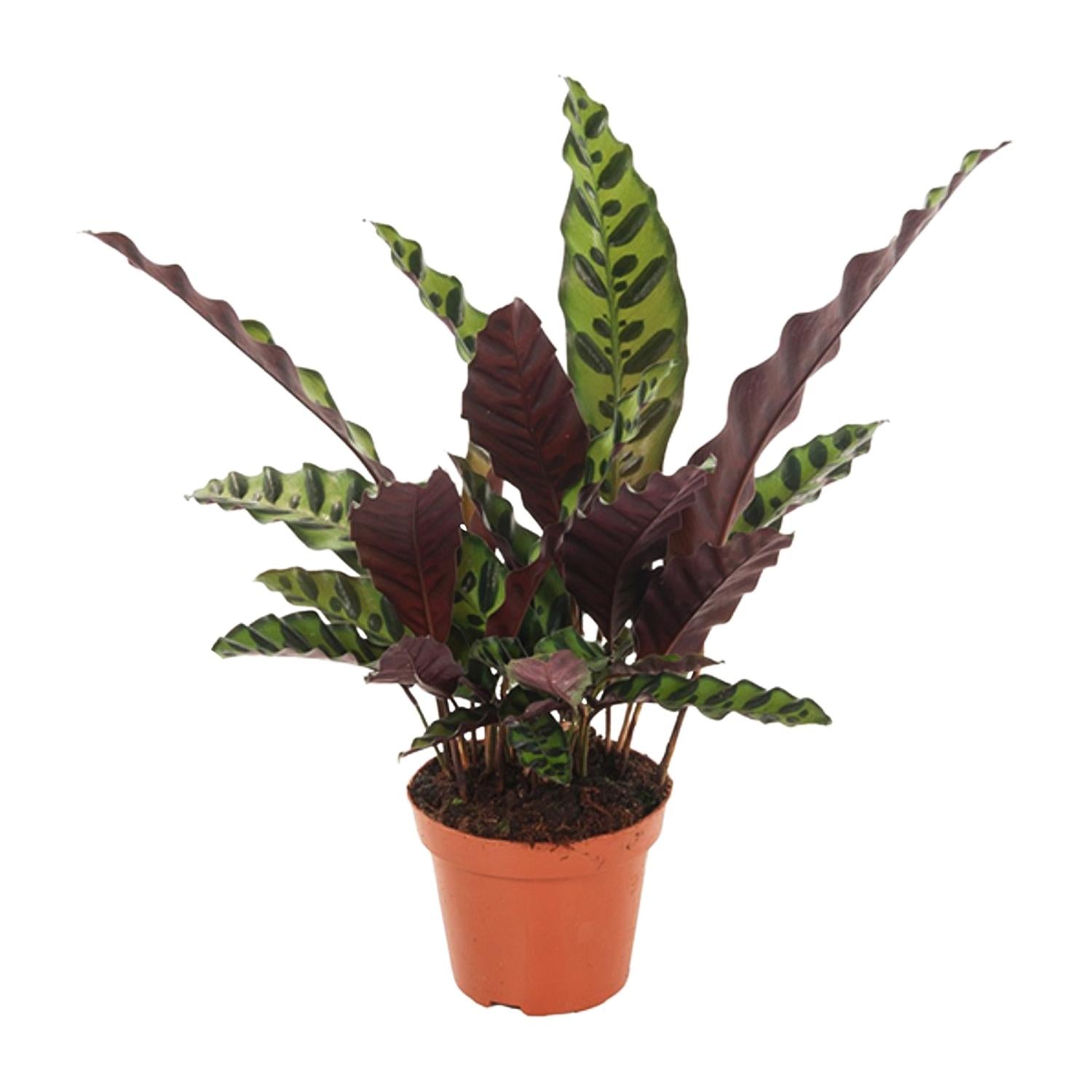
Calathea 'lancifolia Insignis' - Large
Rattlesnake plant- Regular price
- €25,95
- Unit price
- per
- 50 centimeters
- 12 centimeters pot diameter
- Cat-safe
- Dog-safe
-
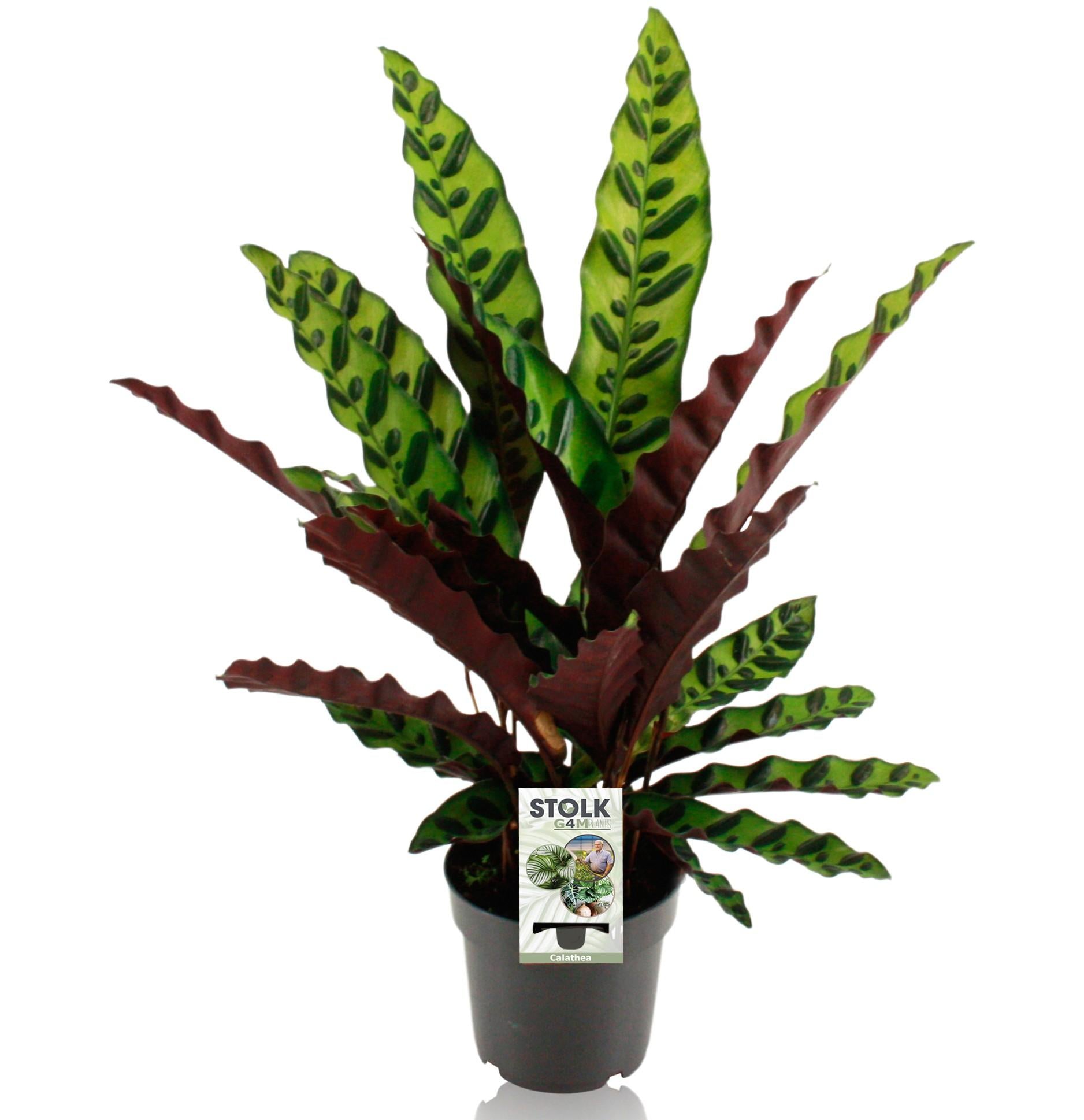
Calathea 'lancifolia Insignis' - Medium
Rattlesnake plant- Regular price
- €22,95
- Unit price
- per
- 45 centimeters
- 14 centimeters pot diameter
- Cat-safe
- Dog-safe
